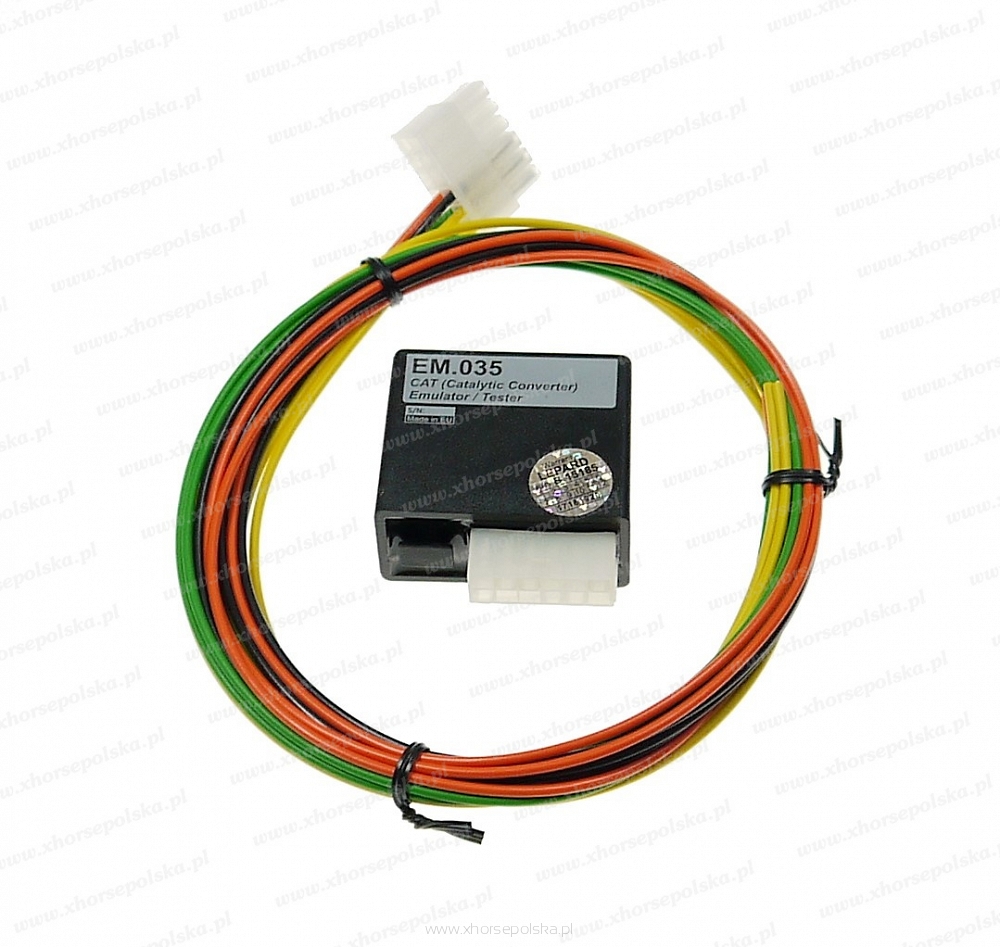
Single-channel Lepard catalyst emulator designed to emulate probes behind the catalyst with the following parameters: 0-1V; 0.8-1.6V; 0-5V.
We also offer a two-channel emulator:
Out of stock
Single-channel Lepard catalyst emulator designed to emulate probes behind the catalyst with the following parameters: 0-1V; 0.8-1.6V; 0-5V.
134.15zł +VAT
Out of stock
Single-channel Lepard catalyst emulator designed to emulate probes behind the catalyst with the following parameters: 0-1V; 0.8-1.6V; 0-5V.

We also offer a two-channel emulator:
Produkt będzie dostępny w ciągu najbliższych dwóch tygodni/ The product will be available within the next two weeks
The AdBlue SCR+DPF emulator for Volvo XC60 / XC90 eliminates SCR and DPF system errors, stops DPF filter regeneration, improves engine performance, and reduces fuel consumption. Compatible with DENSO D5E1C ECU
4 in stock
The AdBlue emulator for Opel Insignia-Astra K E45 was designed to address issues related to the SCR system and NOx sensors. The device simulates communication with the SCR system and NOx sensors, eliminating errors and warnings that appear on the dashboard. This way, you don’t have to worry about engine power loss or constant warning lights.
5 in stock
The AdBlue + DPF Emulator MD1CS069 for Fiat Ducato is a professional solution designed to eliminate issues related to the AdBlue (SCR) system and the Diesel Particulate Filter (DPF). The device effectively simulates the operation of NOx sensors, the AdBlue pump, and the DPF system, allowing the engine control unit to receive proper signals, preventing error detection and avoiding limp mode activation. The emulator restores full engine power, removes warning lights, prevents DPF clogging, and eliminates problems associated with the AdBlue system.
This solution is intended for Fiat Ducato vehicles equipped with the MD1CS069 control unit and allows for significant reduction in operating costs, improved performance, and increased vehicle reliability. The AdBlue + DPF Emulator MD1CS069 ensures stable engine operation, fuel savings, and permanent elimination of emission system-related issues.


